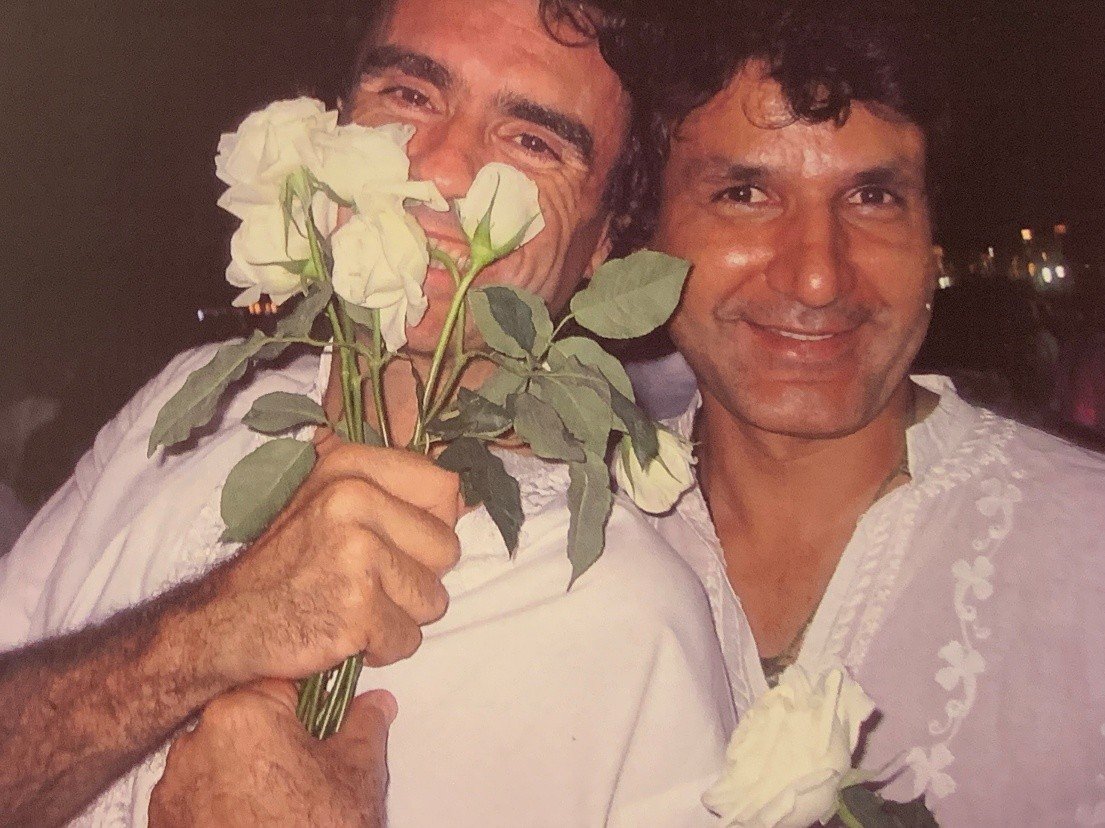
IS: You are among the first same-sex couples to have had a civil partnership registered in London on 21 December 2005. Before we get to the big day itself, tell us a little about your lives prior to the partnership.
AA: I moved to the UK from Pakistan in 1995 to study at RADA. I had always lived openly as a gay man in Pakistan. However, in the UK I found the political impetus to speak out more openly about my cultural identity as a gay Muslim of Pakistani origin. I had been privileged to meet other activists through my adult life, one of whom, Faisal Alam , had set up a group in the US to support gay Muslims there.
When I arrived in London, I soon saw the value of building a similar community here. Along with other activists, I set up Al Fatiha in the UK in 1999. It eventually became Imaan, creating a more sustainable community of support for gay Muslims in the UK.
It was one of the first organisations to provide a platform for LGBTQI+ Muslims to discuss their struggles, their faith, and their identities without fear of exclusion. Raising awareness about the intersection of faith and sexuality was critical in shifting the conversation within both Muslim and LGBTQI+ communities.
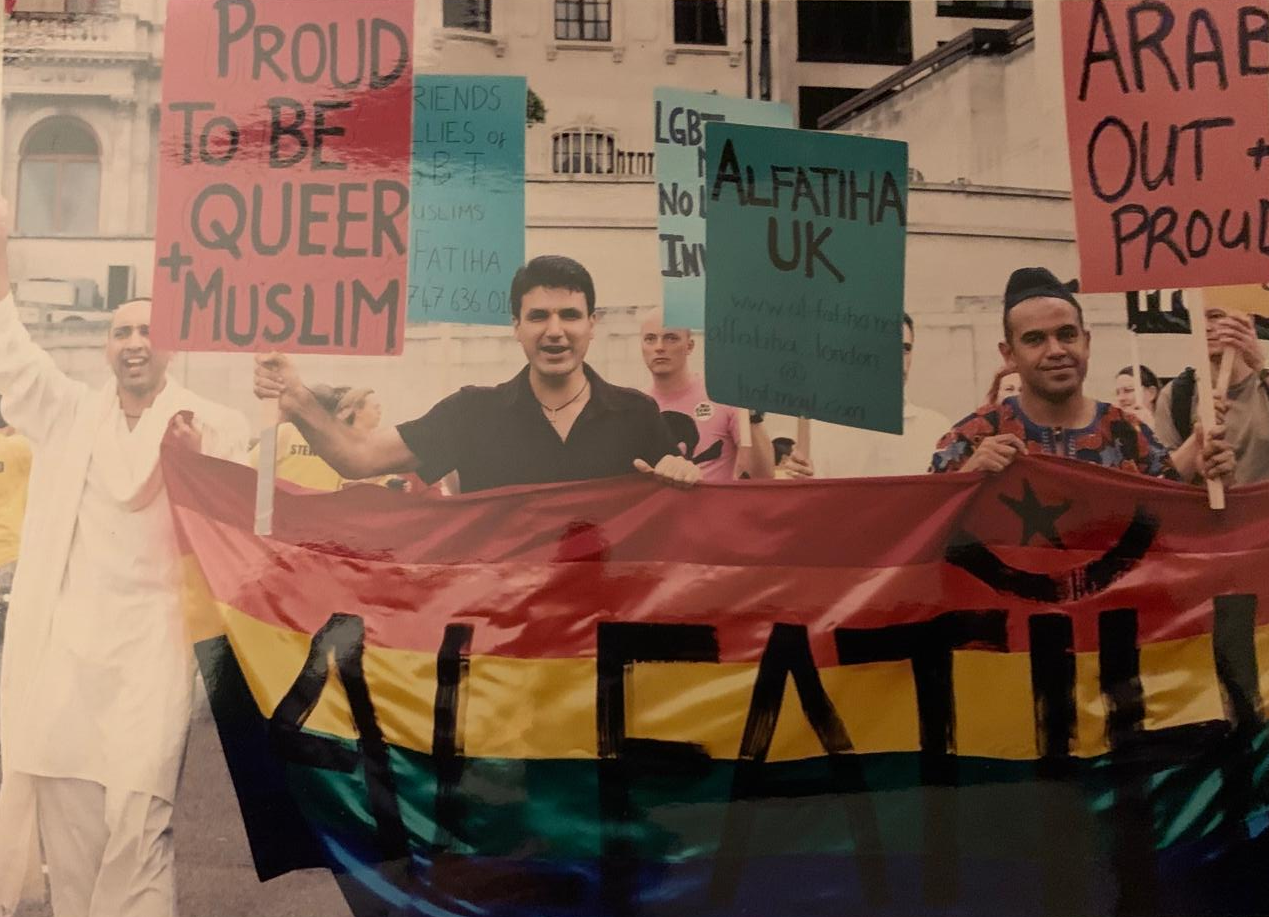
My work drew both positive and negative attention, especially following the interview in The Guardian of August 2001, advocating for a broader, more inclusive interpretation of Islam. It remains telling that the headline of that article was: “An Islamic Revolutionary”.
We keep fighting. Another seminal moment for me that I remember is when we were living in Brazil. I was interviewed about Brazil’s 2011recognition of same-sex unions. Seeing such considerable progress in a country with its own complexities around LGBTQI+ rights was a great moment.
I had not fully appreciated the influence of patriarchy, religion, and conservative norms in the country until I lived there. Trans rights is an especially charged issue. We got married in England back in 2005, so celebrating the decision from Brazil’s Supreme Federal Court (STF) in 2011 felt deeply personal. It was a win for love and equality across the globe.
ES: When I met Adnan in August 2001, he had just given that amazing interview to The Guardian. He was such a pioneer, and so inspiring, he enchanted me. However, the September 11 attacks on the US took place just days after, and the subsequent Islamophobia sadly stifled voices like Adnan’s.
Before I met Adnan, the previous two decades of my life were shaped almost entirely by one passion: my commitment to Médecins Sans Frontières. The emergencies I worked on, the responsibilities I held, took me to conflicts and political crises where humanitarian action was desperately needed.
In my late thirties, I took a chance and stepped out of that world. In simple terms, I came to London to be with Adnan and begin a new chapter with him.
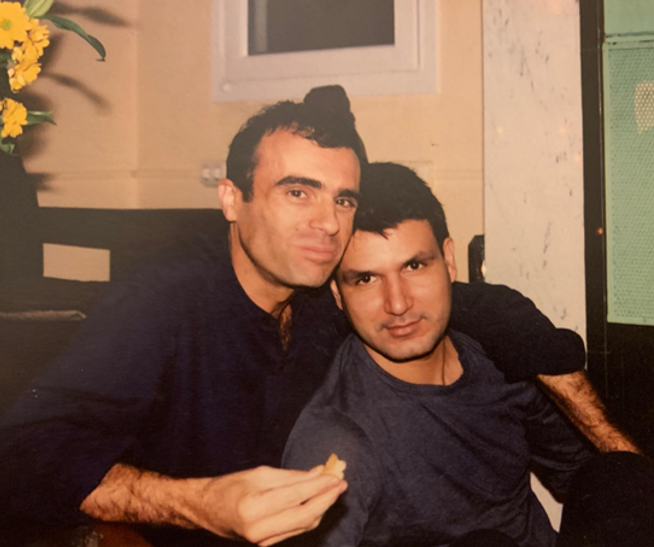
Nothing in my background or identity suggested I would end up in the UK, let alone become a British citizen. But looking back now, London—this extraordinary global hub—feels like the place I was meant to land.
I have absolutely no regrets about having followed love and passion. Now, in my early sixties, I realise both of these—love and passion—have been the essential motivations of my life.
IS: I believe your union in London came second only to Elton John and David Furnish's. Why was it important for you to have your partnership recognised so promptly, on the first day the unions took place?
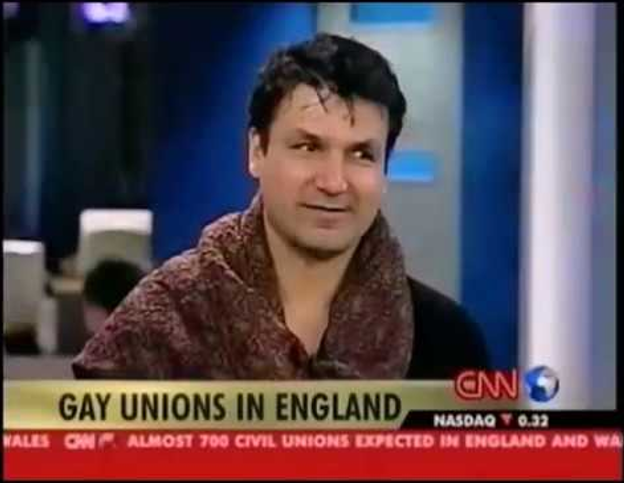
ES: It was very important for us to have our civil partnership recognised but we never planned for it to happen on the very first day the law came into force. That was a wonderful coincidence. We had not anticipated that our personal but deeply important commitment to each other, which we had expected would be a simple administrative procedure, would unexpectedly become a deeply emotional public moment as well, including a live interview with CNN. Our personal commitment turned into something larger: a political act, a message of visibility.
IS: Tell us about that momentous day. What was it like? What stands out?
ES: It was a special day for us, and a special day for the country. We were getting married while the law itself was coming to life on the same morning. London felt electric.
The standing ovation we received in the CNN studios in London was unforgettable. Our private commitment went live to the world. It was immediately politicised, and others really embraced it. It was astonishing. Looking back at the interview now, it’s striking to hear the way the journalist framed some of her questions about husband and husband for example, and to realise how far things have moved forward since then.
The international media covered civil partnerships extensively, presenting them not only as a British legal milestone but as part of a global shift. Inside the Chelsea Town Hall, the atmosphere was charged with journalists, families, activists, and supporters. These buildings suddenly felt much bigger than the usual civic space you would expect. People cheered, applauded, and cried. It wasn’t only about the couples; it was about what the moment represented after centuries of silence and stigma.
So many of our family and friends came at incredibly short notice, not only from London but also from Pakistan, Portugal, Belgium, Switzerland, Spain, France, Morocco, the United States, Canada … Their presence made the day intensely emotional. Although we had already been committed to each other since meeting in 2001, this was also about recognising that commitment publicly, with them.
A few days before, at the Chelsea Town Hall, I called my father in Sintra, Portugal. I couldn’t wait for his arrival to tell him and tease him about how moving it was to be surrounded by people of his age—many of whom also looked like him. For me, to see so many men of the generation of my father, after centuries of repression, preparing to have their relationships acknowledged and their rights recognised, was a touching moment. It challenged my own stereotypical assumptions. Suddenly, so many unfair barriers were gone. So many couples of earlier generations had been left with nothing when one partner died, especially during the HIV/AIDS epidemic. Those silent injustices still felt close.
The day felt historic, perhaps similar to major breakthroughs won by the suffragettes. It was not marriage yet—it was a civil partnership—but it was undeniably a major step. Like the suffragette movement, it came after a long struggle and a lot of sustained activism. Both movements re-defined citizenship; both expanded who gets to belong.
Some friends questioned the need to mimic the heteronormative framework of marriage. But for us, rights and protections mattered profoundly. As Adnan put it so clearly: “We don’t just want the cake; we want the recipe, too. Equal slices for everyone, no exceptions.”
In the days before the ceremony, the town hall staff invited us for a preparatory meeting. They were thoughtful, warm, and gently humorous. They had performed weddings for decades in that conservative neighbourhood, but they had no model for a same-sex couple, and they didn’t want to get anything wrong. There was no precedent—neither for them, nor for us.
AA: I remember there was an engraving on the wall reading: “Marriage is between a man and a woman.” I asked for it to be removed. They couldn’t remove it, but on the day, they covered it with fabric and a huge bouquet of flowers. It was a beautifully attentive gesture.
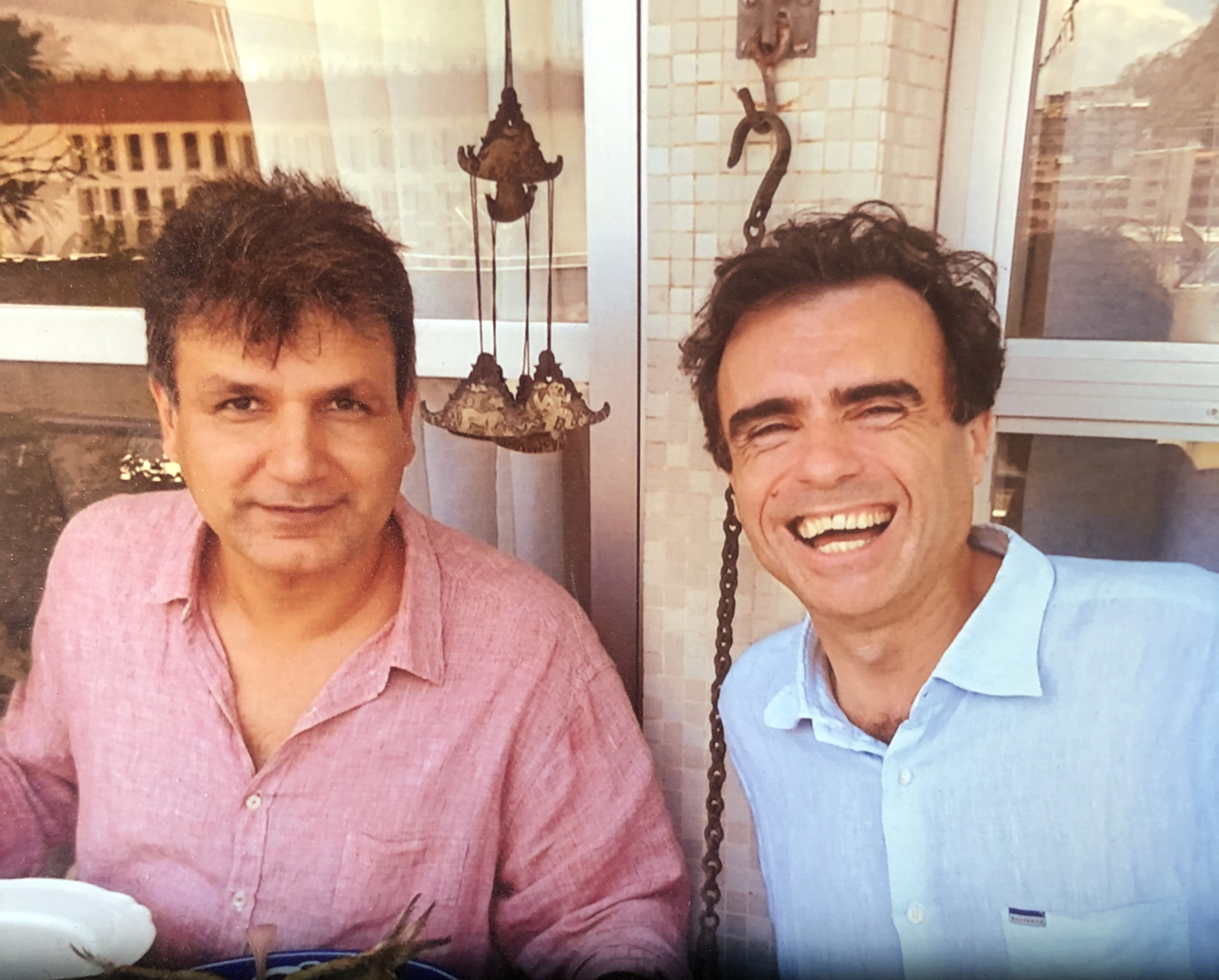
IS: You are both from different parts of the world and have travelled widely. How did you come to make London home?
ES: We spent almost a decade living in Brazil and were deeply connected to Latin America. But at the time, the taboos around racism and the wider social hypocrisies of a so-called “melting pot” had made it increasingly difficult to live with. So we left just before the tragic election of Jair Bolsonaro, which left the country profoundly divided. We think often of our friends who continue fighting for a progressive Brazil.
Back in Europe, Adnan was decisive: Home would be London—or London. So, London it was. We returned to our old neighbourhood, close to parks, museums, theatres, and surrounded by diversity. A few months later came the Brexit vote, and we began to realise just how much London, the UK, and Europe had changed. Communities and regions were increasingly disconnected, and often at odds with one another.
AA: We love London. It's welcoming and unpretentious, full of talent and knowledge. It’s home because everyone speaks English differently. And it’s home because our network of friends and family can reach it easily. Our guest room probably has one of the highest occupancy rates in the city!
IS: Yours has been an enduring commitment. After twenty years together, what do you attribute that longevity to?
ES: We have very different personalities, sometimes in tension, always complementary.
We share strong values, a deep curiosity about the world, and a refusal to surrender to pessimism or to give up the liberties that matter.
AA: And we have a genuine love for people: family members, old and new friends. Our friends are truly our extended family.
IS: You mention a deep curiosity about the world. During the past two decades you’ve travelled all over the globe. And Adnan, you’ve visited every country on the planet—195 in total. How did this start?
AA: A childhood sub-conscious longing to see the world began with staring at maps. One of the first non-curriculum books I acquired was an atlas. I had been to Egypt, London, and Kenya with my theatre troop but in practice my independent travels began with interrailing in Europe in April 1996, followed by a seven-month round-the-world journey from August 2001 to February 2002. That was my first round-the-world journey. Others came later, but it was during that first round-the-world trip that I met Eric. That experience opened my horizons and left me with an enduring desire to explore more and more. Even now, the desire to continue exploring remains strong.
IS: Airport transfers don’t count. What qualifies as a “real visit” for you?
AA: A minimum three nights stay. You need that time to truly get a feel for the place, to move beyond the tourist spots and experience the people and the rhythms of their daily lives. It’s not just been about ticking off landmarks or hopping between airports. It has been about engaging and learning about their challenges and joys and understanding their realities.
IS: How long did it take you to visit all 195 countries?
AA: My first overseas trip was to the UK in 1994, and the 195th country I visited was Micronesia in 2023. So, it took nearly 29 years to visit all 195 countries. But it’s not just about the destination. It’s also about experiences along the way. Every country has a unique story, culture, and set of challenges that make it memorable. Some countries were a stop on a long journey, while others required deep, personal engagement. Some places can be grasped through movement and observation, but others demand time, humility, and repeated returns.
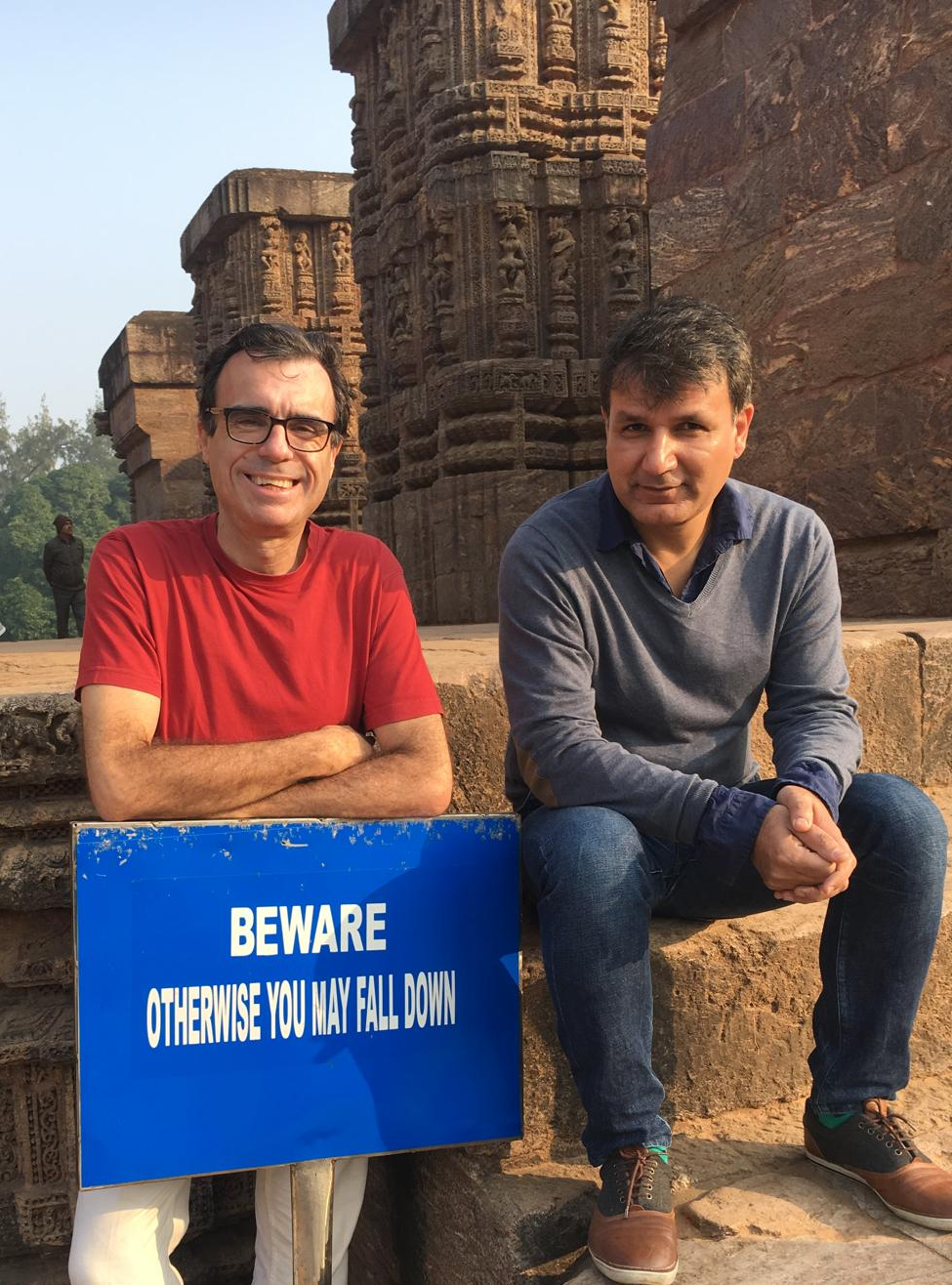
IS: What are your favourite countries?
AA: It depends on the stage of my life when I visited a country, but my all-time favourite places would be India and Japan.
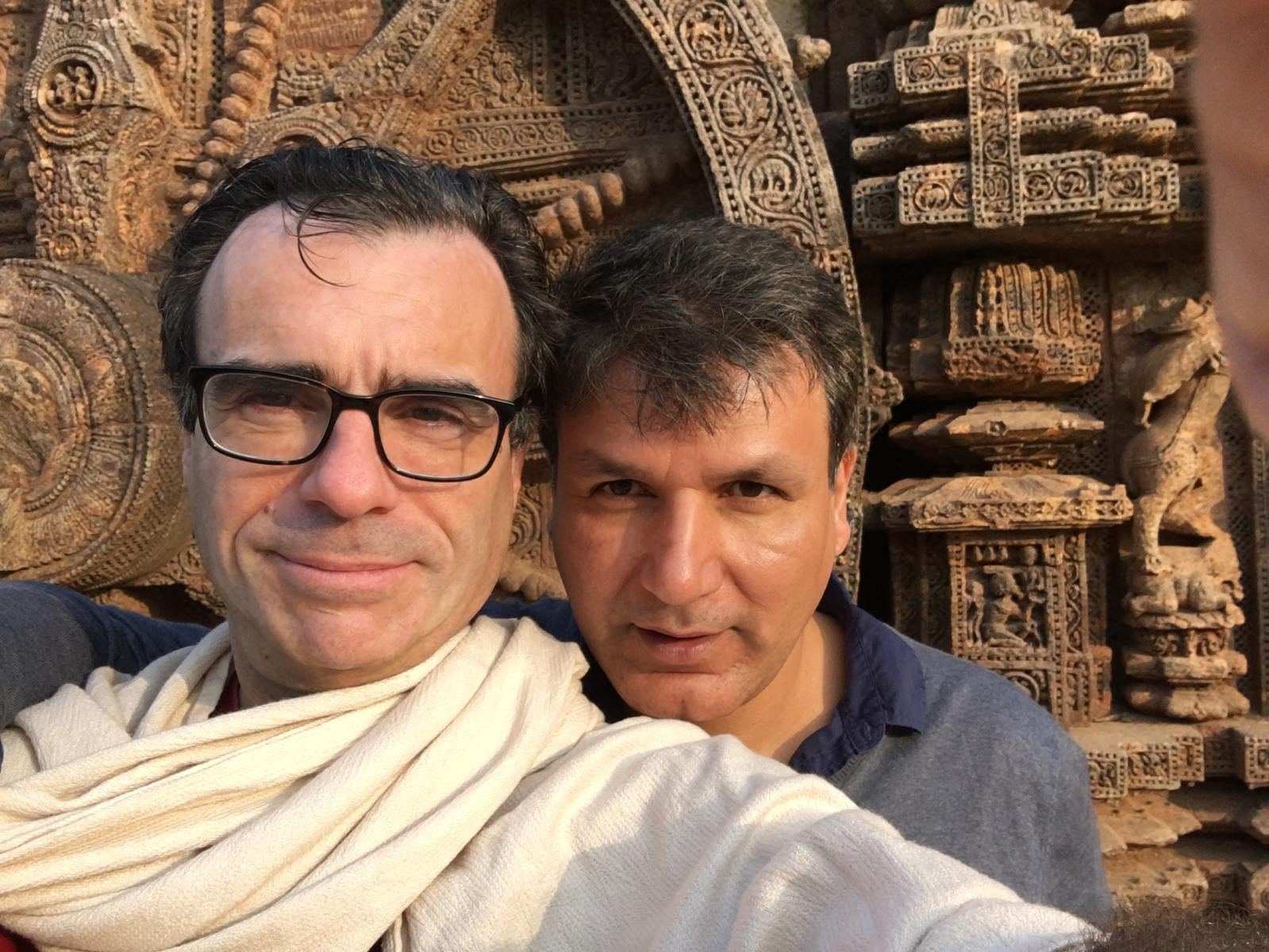
IS: Why India and Japan?
AA: I’m interested in India and Japan because they are among the few regions of the old world where modernity has developed mainly in the last hundred years. What fascinates me is how ancient civilizations with deeply rooted values and traditions are adapting to technology, modernisation, and globalisation. I’m especially curious about how this transformation is reflected not only in economic or technological terms, but also in civilization, art, and the performing arts, as well as in everyday aspects of life like cuisine, philosophy, literature, and ways of thinking.
For me, both countries required that deeper personal commitment I mentioned. India in particular is also close to my own origins, and each visit felt like peeling back another layer of identity, history, and lived philosophy. It’s also a place where ancient civilization is not so much preserved in museums but is more embedded in everyday life.
Japan offered a very different yet equally profound experience. The way its society balances deep respect for tradition with modern discipline and innovation fascinated me. Trying to understand Japan meant learning its subtleties—what is unspoken, what is ritualized, and how history quietly shapes behavior.
For me, India and Japan are particularly interesting counterpoints to younger societies. Comparing them with more modern societies like the United States helps me better understand different paths of modernisation and cultural evolution. So, I was equally curious about newer societies like the USA and Brazil, places where the “new world” is still defining itself. There, my focus was on how societies evolve, what value systems emerge, and how identity is constructed without the same weight of ancient continuity.
Ultimately, these journeys are not just about understanding places but about understanding myself and one’s own evolution through these lenses.
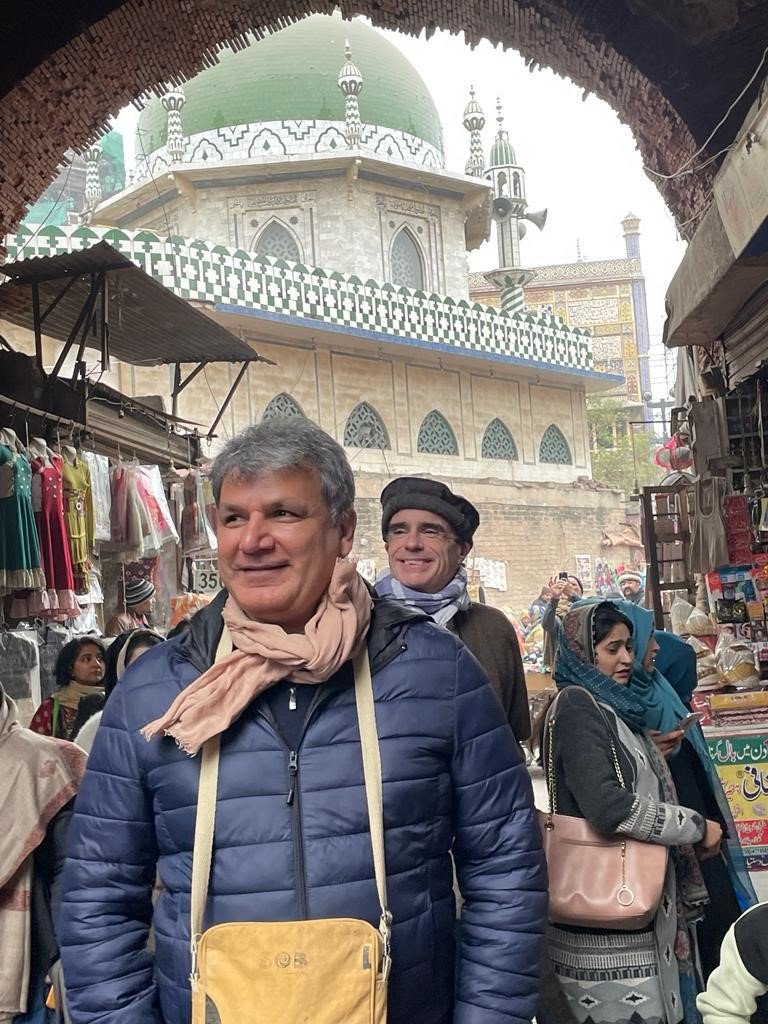
IS: As a gay man, what additional challenges did you face? Which contexts were most inclusive? Which ones were more challenging?
AA: To be honest, most of the challenges I faced weren’t specifically about my sexual orientation. They were more about the racial discrimination and difficulties at borders due to the Muslim name in my passport. This continues to be the case in so many locations. More than homophobia it’s about Islamophobia. Many times, I encountered suspicion, delays, or questioning simply because of my identity as a Muslim. That has often been more of a challenge for me than anything related to being gay.
IS: What happens when you travel to more challenging contexts as a couple?
AA: You have to be yourself and use common sense. We have usually been open as a gay couple, but we also show consideration and caution when it is needed. It is fine to ask for a double bed when checking in at a hotel as a gay couple, rather than declaring your same sex marriage status at passport control or the borders of countries that have criminalized same-sex relations like Saudi Arabia or Sudan.
IS: Eric, your humanitarian work has taken you off the beaten track. How did that start?
ES: I refused compulsory military service on principle. I supported the conscientious objector broader movement resisting conscription. My situation, however, was complicated. I held three passports—Swiss, Portuguese, and Belgian. Neither Switzerland nor Portugal recognised conscientious objection. Belgium did eventually offer a civil service alternative in place of military duty. That option opened an unexpected door: volunteering with Médecins Sans Frontières. Yet caught between three countries, with conflicting rules and no agreements between them, I found myself suspended between obligations: belonging everywhere on paper and nowhere when it came to choice. Things look so much simpler today!
So, ironically, in trying to avoid military service, I ended up doing humanitarian work in conflict zones surrounded by armies, soldiers, and militias. Such are the contradictions of life, which I actually enjoy.
When I left with MSF for Lebanon for my civil duty in 1989, I imagined I’d complete my nine months of civic service and return to my previous life. But the war that was happening in Lebanon at that time changed everything for me. The last years of this long war were particularly desperate and violent. Witnessing this was an epiphany, a revelation in the deepest sense: an awakening to my own condition and to that of others. Beirut reminded me of Casablanca, where I was born and raised. I saw people like me and my family in the people living through extraordinary hardship. Their resilience touched me profoundly and it remains alive till today.
From there, MSF became my passion and my purpose: Pakistan, Afghanistan, Iraq, Kurdistan, the former Yugoslavia, and many more crises where MSF tried to restore a bit of temporary normality through medical care, and to speak out against violations of international law.
IS: All humanitarian missions are unique. Which stand out?
ES: Impossible to choose—they are all unique, as you say. I remember a parable which was often told in the family during my childhood. A man was walking along a beach where thousands of starfish had washed ashore. As he walked, he noticed a boy gently picking them up and throwing them back into the ocean.
“Why are you doing that?” the man asked.
“There are miles of beach and thousands of starfish. You’ll never make a difference.”
The boy bent down, picked up another starfish, and threw it into the waves. Then he looked up and said: “It made a difference to that one.”
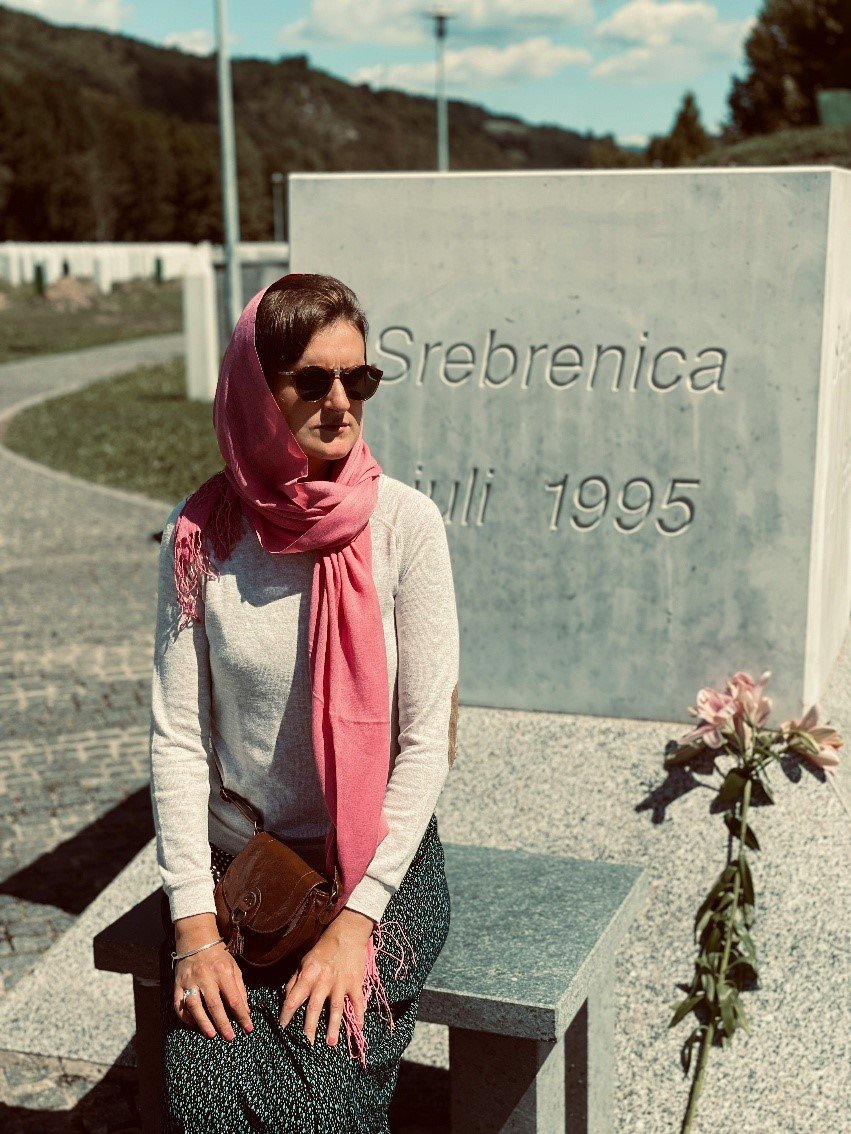
IS: This year, 2025, marks the thirtieth anniversary of the Srebrenica genocide. You were there. You found it particularly traumatic. How do you cope with the trauma that accompanies humanitarian work?
ES: Indeed, 2025 marks thirty years since the Srebrenica genocide, and yes, I am a witness too. The trauma of this period stayed with me for a long time. I went through years of therapy to work through the PTSD, the grief, and especially the overwhelming feeling of failure, both individually and as an organisation, with the constant question of whether we could have been done things differently to avoid the tragedy.
With time, support, and a lot of work, I learned to live with the trauma rather than being consumed by it. Today, I don’t want to “overcome” it completely. That wound is a part of me now. It’s an internal scar that keeps me grounded, accountable, and connected to the people we exist to serve. I don’t want it to fade, because it reminds me every day why this work matters, and why we must do better.
IS: That is an inspiring way of confronting trauma—by embracing it. As you know, I live a complex PTSD diagnosis as well. And what you’ve just said resonates with me profoundly. I’ll take it with me going forward. But returning to genocide, perhaps there is also a parallel to be drawn with Palestine and Gaza, and what the future conduct of war might look like.
ES: I wrote a piece in El Pais, which you later republished in Unwritten Lives. With this 30th anniversary of Srebrenica, I am confronted by distressing parallels. In Gaza but also Darfur, Tigray, Haiti and Myanmar, where civilians are being systematically targeted, starved, displaced, and hospitals and schools are bombed, often in full view of the world. As I wrote in El País, how do we remain silent when we recognize patterns of extermination? And how do we confront the duplicity of governments that speak the language of human rights while enabling or ignoring such abuses?
Today, authoritarianism, the erosion of humanitarian norms, and blatant double standards are increasingly the norm. The scale of atrocities committed against civilians is growing, and crimes against humanity are indeed multiplying as a new conduct of war. We are over-informed yet powerless, watching these horrors unfold as if they were inevitable.
In the long-term, only genuine international justice can offer a little balm for the suffering we witness every day in Gaza. Only genuine international justice can help deter future crimes. The current perpetrators must be punished. Without mutual accountability, the cycle of violence will simply continue, triggered by precedents of impunity.
IS: I first met you in Cairo in 1996, when you were heading the MSF office there. One mission from that time has stayed with me: the Palestinian refugees stranded on the Libya–Egypt border. Your stories about that trip from the time had a profound impact on me. They changed the way I saw the world, and I eventually referenced them in my novel, I See You. Tell us about that emergency.
ES: Oh, Salloum. Yes, that was one of the missions that stays with you for life. When Gaddafi expelled Palestinians from Libya in 1995–96, probably in retaliation against Oslo II, several hundreds of people—entire families—were pushed toward the Egyptian border with almost no warning. Egypt refused them entry, Libya wouldn’t take them back, and they ended up stranded in this strip of no-man’s-land between the two borders. It wasn’t even a place, really—just desert, sand and fencing. People disappeared.
And the conditions were shocking. Truly post-apocalyptic. No shelter, no sanitation, no proper access to water. Just heat and desert winds. People built makeshift tents out of plastic sheets. Children played on contaminated sand because there was simply nowhere else to go. Day after day, they lived entirely exposed to the elements and to political indifference.
What struck me most was how utterly forgotten they were. Neither Libya nor Egypt recognised any responsibility, nor did any of the Arab states. The Arab League was stuck. The UN system was paralysed by its own mandates. Even the big humanitarian actors didn’t know quite what to do with a population stuck in a legal vacuum. These families had become invisible. Salloum was a vacuum.
MSF went in to provide medical care, of course, but also to make the Palestinian refugees visible again. We pushed for clean water, basic sanitation, vaccinations—things so elementary they shouldn’t need negotiation. We provided more than medical care; we gave hope. And yet everything required negotiation. Every single step.
But beyond the technical side, what stays with me is the human side. Their dignity. Their ability to build a kind of fragile routine in a place that denied their very existence. The humour they maintained. The tea they insisted on offering us, even when they had almost nothing. Those small gestures of resilience, they stay with you.
I think Salloum was one of the moments when the concept of statelessness became brutally real for me. It’s not an abstract legal category—it’s a daily form of violence. You are nowhere. You belong nowhere. I went to Rafah and to Ramallah to look for support. And you are treated as though these people did not exist.
The world doesn’t really remember Salloum today, but for those of us who were there, it left a mark. In many ways, it foreshadowed what we’ve continued to witness with Palestinians ever since: people pushed to the very margins of political geography, surviving in spaces where the world prefers not to look.
IS: The world has changed tremendously over the past thirty years, and critically in the past year. Trump’s dismantling of USAID has had catastrophic global consequences. What has your experience of this been? What challenges does international aid now face?
ES: You know, when I look back at the past thirty years, I’m struck by just how dramatically the global development landscape has shifted. It didn’t happen overnight, but there were a few turning points that really changed everything. One of the biggest was the dismantling of major US aid structures, especially USAID. When those programmes were suddenly halted, it wasn’t just a bureaucratic change; it was millions of people losing support they depended on.
But it’s important to understand that this wasn’t an isolated event. Over the last decade, we’ve watched long-standing donors—countries like the UK, Switzerland, Germany—quietly roll back their ODA budgets as well. You can almost trace the ripple effects: safety nets shrinking, communities feeling abandoned, trust eroding. Local systems that were already fragile became even more exposed.
And all of this is happening at a time when the needs are only growing. Conflicts are intensifying as never before since WWII, climate crisis is bringing shocks, which are becoming more frequent and more severe, and displacement is at levels we’ve never seen before. So, we have this paradox: shrinking resources and expanding needs. This is a dangerous combination.
If we’re serious about reversing this trend, it can’t just be about putting the money back. That matters, of course, but what’s really needed is a renewed political commitment from the old donors with low- and middle-income countries, a redesign of roles and responsibilities, real representation in the UN Security Council to boost the sense that global responsibility is something we all still believe in. Without that, we’re just patching holes in a sinking ship and perpetrating the exploitation of the most vulnerable.
IS: Trump’s crackdown on diversity, equity, and inclusion has also harmed queer communities, including corporate sponsorship for Pride. What shifts have you observed in LGBTQI+ issues since 2005?
AA: If you look at the LGBTQI+ landscape since around 2005, it’s really been a story of both remarkable progress and rising backlash. On one hand, we’ve seen incredible gains—legal recognition, social visibility, cultural presence. Things that felt unimaginable twenty years ago are now part of mainstream life.
But at the same time, there’s this sharp countermovement. It’s almost a contradiction: the more visible LGBTQI+ people become, the more aggressively some groups push back. And you really saw that take shape during the Trump years. His administration’s attack on DEI didn’t just impact the US—it signalled something globally. It legitimised a kind of reactionary politics, and it emboldened extremist religious actors, both Evangelical and Islamist, who often draw on old colonial or Victorian moral arguments.
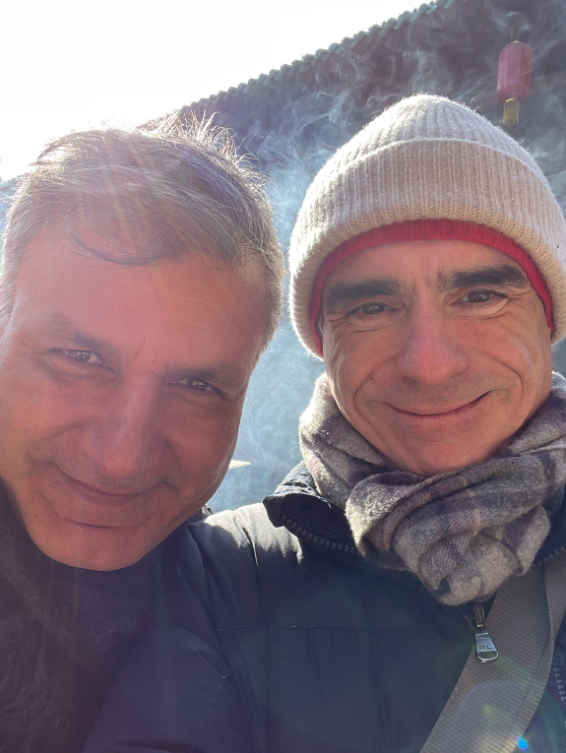
ES: One tangible result has been the corporate pullback from Pride, something we’re seeing even in the UK. A few years ago, companies were competing to be seen at Pride events. Now, many are quietly stepping away because they don’t want to be caught in the political crossfire.
At the same time, anti- “woke” rhetoric has created this really hostile environment, especially for trans and non-binary people. It’s not just an abstract debate; it’s affecting people’s daily safety and mental health. The optimistic, linear narrative of the early 2000s—this idea that progress would just keep moving forward—has been replaced with something much more fragile.
And globally, we’re watching worrying trends. In parts of Africa, I am thinking of Uganda or the strong push in Kenya over the last couple of years, and similar trends in Latin America, where there’s a noticeable rise in homophobic legislation and sentiment. A lot of it is being pushed by well-funded Christian fundamentalist groups. So yes, LGBTQI+ communities today are incredibly resilient, but the threats—whether on the street or in parliament—are sharper than they’ve been in a long time.
IS: And not just in Kenya or Uganda, but in South Africa too, as was so painfully demonstrated by the murder of Imam Muhsin Hendricks.
IS: On 13 September 2025, the UK saw its largest right-wing protests in decades, led by Tommy Robinson. What do you make of this? What do you feel about the global surge to the right—as individuals and as a couple?
ES: The scale of the protests was both unseen and unsettling. Living in London, I often feel that we live in a bubble, disconnected from large parts of the country. In many ways, Brexit was already a warning sign that something deeper was happening beneath the surface, and these protests feel like another expression of that divide.
I don’t see this trend reversing easily. The current political Labour landscape has been deeply disappointing—particularly the lack of any credible political voice offering an inspiring and transformative vision of society. I find Yanis Varoufak is inspiring. But in government, there is very little discussion about core values such as social connectivity, interdependence and fair taxation of the wealthiest one percent, or even fight for taxation of international financial transactions that could help replenish public resources, both nationally and globally.
And yet, these are precisely the things we need if we want to restore what truly matters: accessible public education, a functional NHS and shared public goods. The erosion of basic civility, simple politeness, and mutual respect in public spaces signals to me that we’ve lost something essential. I think our increasingly digitalized, individualized way of living has contributed to this loss.
This happens at a time when humanity should be coming together to address global challenges collectively. Instead, we are seeing individual and immediate interests override collective responsibility. That, to me, lies at the heart of the global surge to the right.
AA: On a personal level, and as a couple, I don’t feel directly threatened by this shift. Rather, I feel alert, energized and very much on my toes. It reinforces the importance of staying engaged, conscious of the values we believe are essential for a just and connected society.
IS: What do you think about the possibility of a Reform UK government? What would you do if that became a reality?
ES: I find it difficult to imagine a Reform UK government as a fully realised or stable governing scenario. I believe that many people are expressing dissatisfaction through unconventional or protest voting, but that does not necessarily translate into genuine support for far-right governance. Still, the fact that this possibility can even be considered raises a deeper and more fundamental question.
That question is: what does resistance look like today? The philosopher Edgar Morin, a former member of the French Resistance and now in his nineties, has consistently warned against losing hope and has emphasised critical thinking as a core element of resistance. Yet even he has acknowledged how difficult it is to define what resistance should mean in the contemporary world. I share that uncertainty.
What I am certain of, however, is that resistance today must remain rooted in democratic and civic engagement. Writing to MPs, signing petitions, mobilising peacefully in the streets, and practising civil disobedience are essential ways of resisting while protecting freedom of expression.
AA: I also think platforms like this one play an important role. Independent spaces, alternative sources of information, and diverse modes of dialogue help keep public debate open when political narratives become increasingly narrow.
History shows us—often painfully—that resistance can take different forms depending on the context. While extreme circumstances have sometimes required people to organise clandestinely or defend themselves, my response would focus on learning, sharing knowledge, and building networks of solidarity. Strengthening peer-to-peer connections and exchanging expertise remain, for me, the most meaningful forms of resistance if such a political reality were to emerge.
IS: Adnan, you’ve taken up painting. Tell us about that.
I’m not sure yet whether I will paint well, but I do know what kind of modern art speaks to my sensibilities. Extensive travel around the world has really shaped my visual language and what I’m drawn to.
In my own painting, I’m influenced by architecture—by shapes, textures, and structure. I’m particularly drawn to colour, geometric forms, and the way textures interact within a composition. Lately, abstraction has become increasingly important to me, especially the freedom it offers in terms of meaning.
I’m also very interested in symbolism. Sometimes a single element—a human figure, a colour, or a simple shape—can suggest an emotion or a more hopeful, joyful state. That idea of conveying meaning and positivity through abstraction and symbol is something that attracts me deeply and continues to guide my work.
My work comes from moving through various places. Growing up in Pakistan, later living and studying in London, and spending time elsewhere, I became attentive to how space, materials, and everyday environments shape perception. I work with found materials gathered through these movements, letting their histories and textures guide the paintings. What emerges reflects accumulated influences—cultural, spatial, and personal—rather than a single narrative or origin.
IS: Eric, you remain committed to MSF. What does that entail?
ES: In July, I was honoured to be elected to a 3-year mandate on the International Board of MSF, the global governing body of this extraordinary humanitarian and independent movement. In many ways, it feels like returning to familiar realities and responsibilities, but the world has changed, profoundly. The work is complex and often challenging, but I’m genuinely energised by it and super grateful for the opportunity. It’s about the harshest realities humanity confronts but I’m loving every moment of it!

 Unwritten Lives uses only essential cookies required for basic functionality.
We do not use analytics, tracking, or advertising cookies.
Unwritten Lives uses only essential cookies required for basic functionality.
We do not use analytics, tracking, or advertising cookies.